02
Screenshots
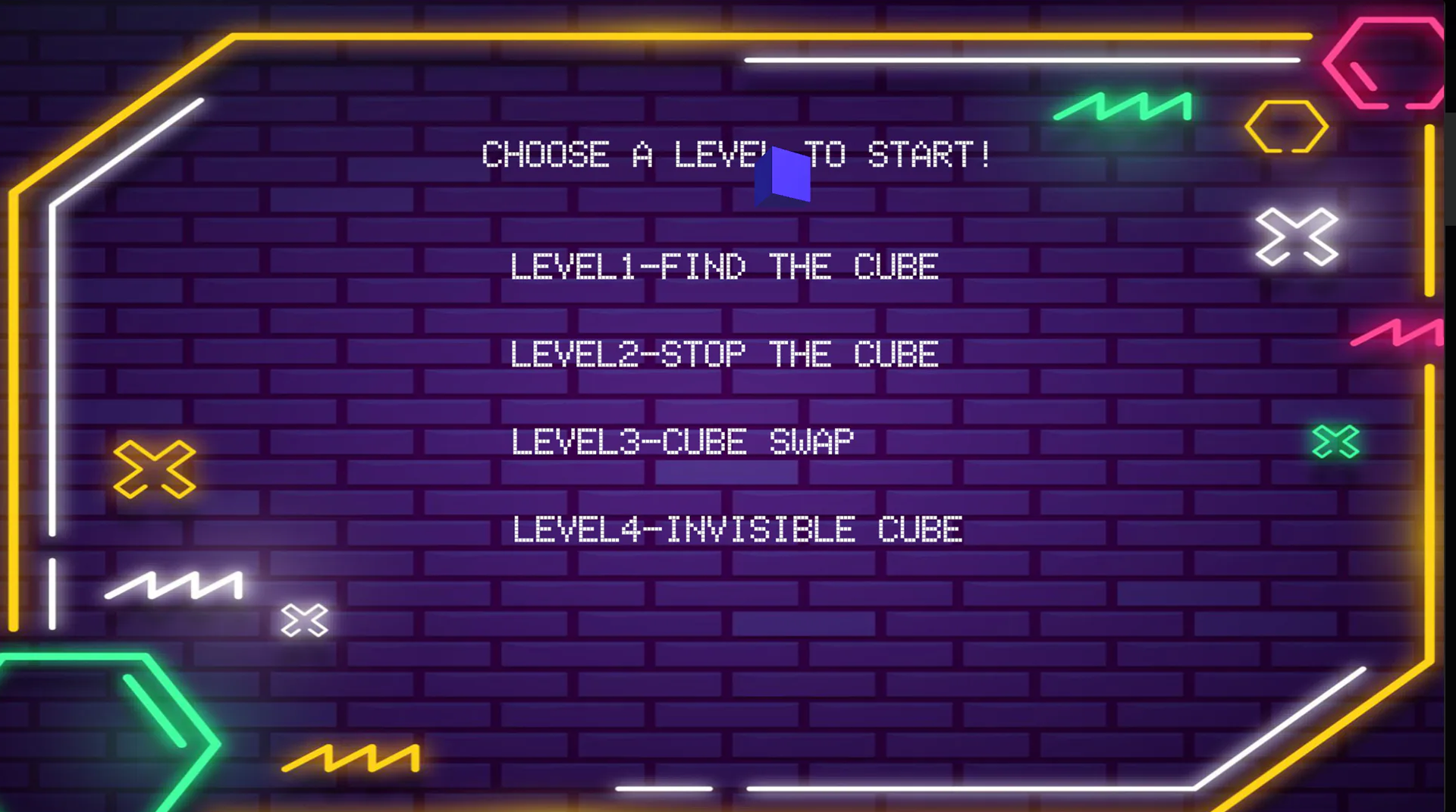
Main Menu · Level Select
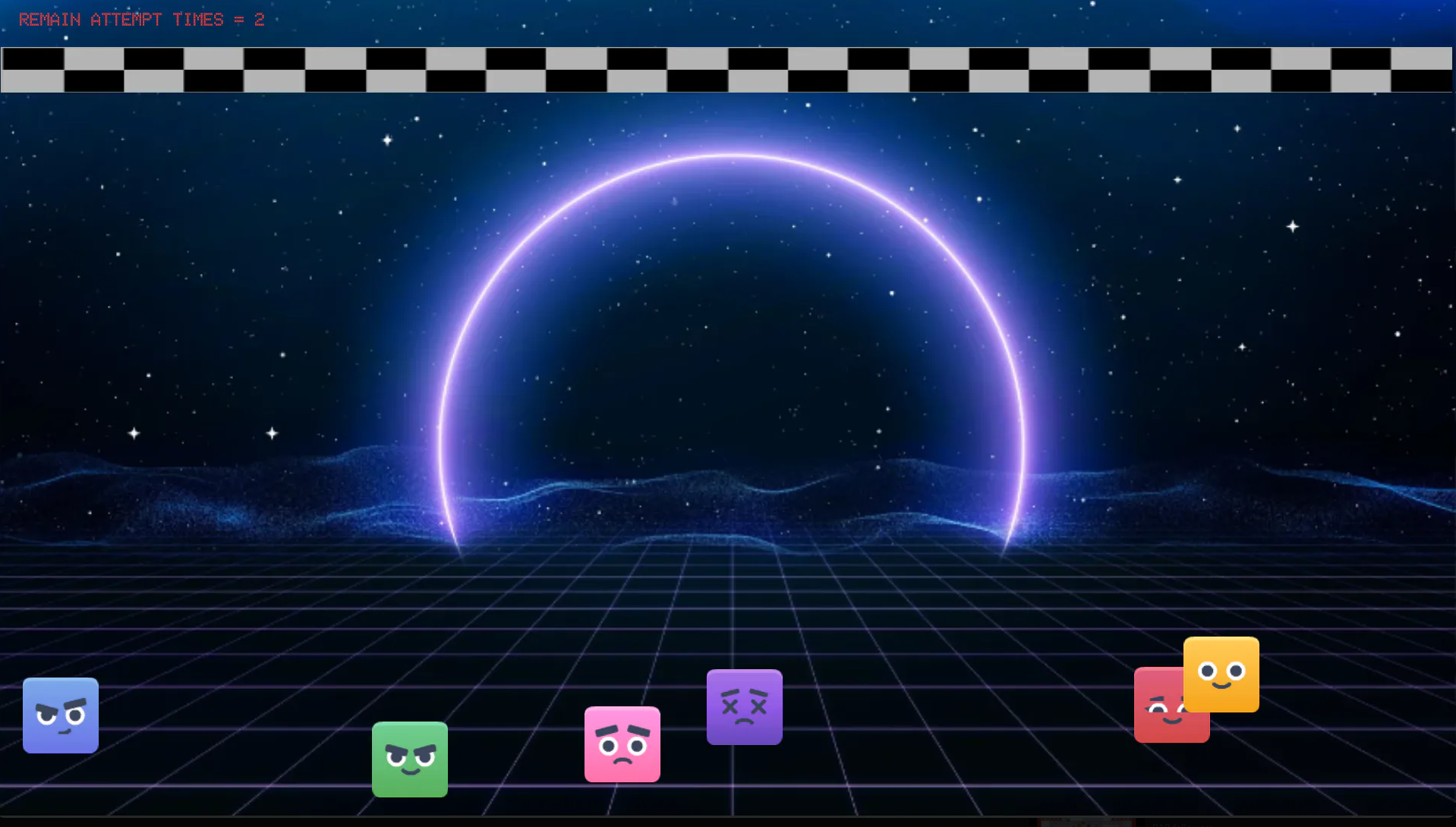
L1 · Social Deduction & Mimicry
L2 · Chaotic Evasion
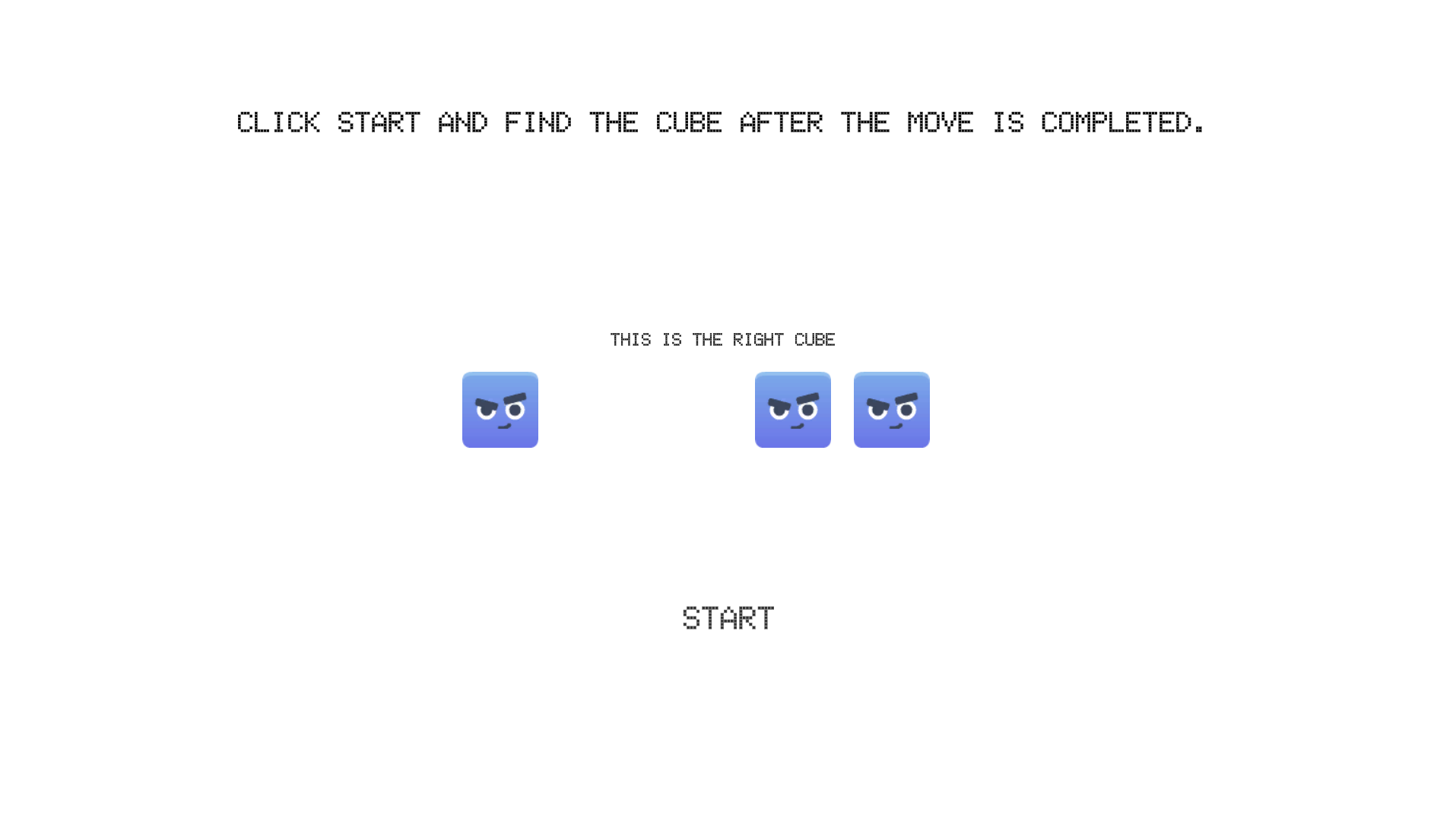
L3 · Cognitive Tracking · Shell Game
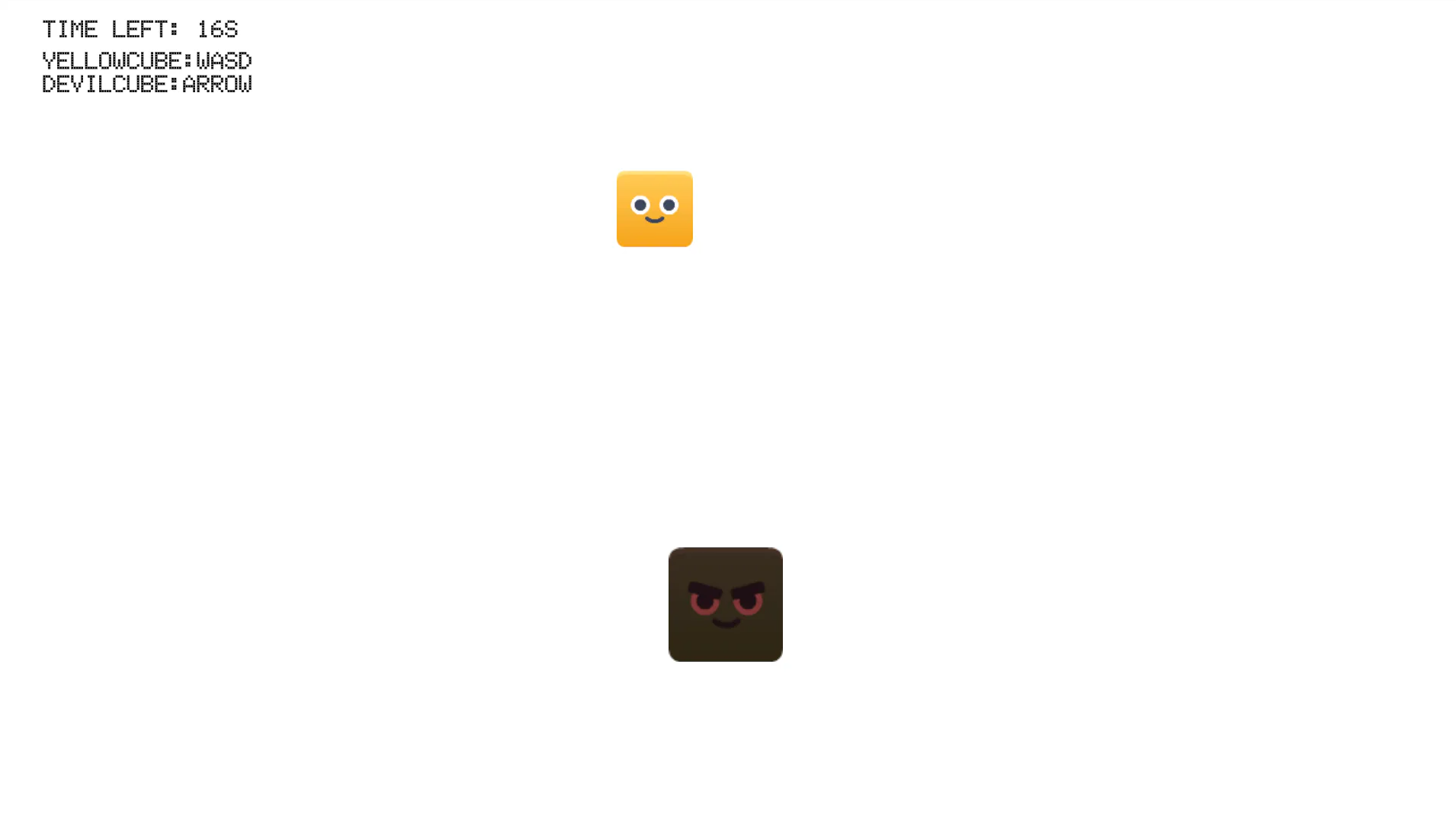
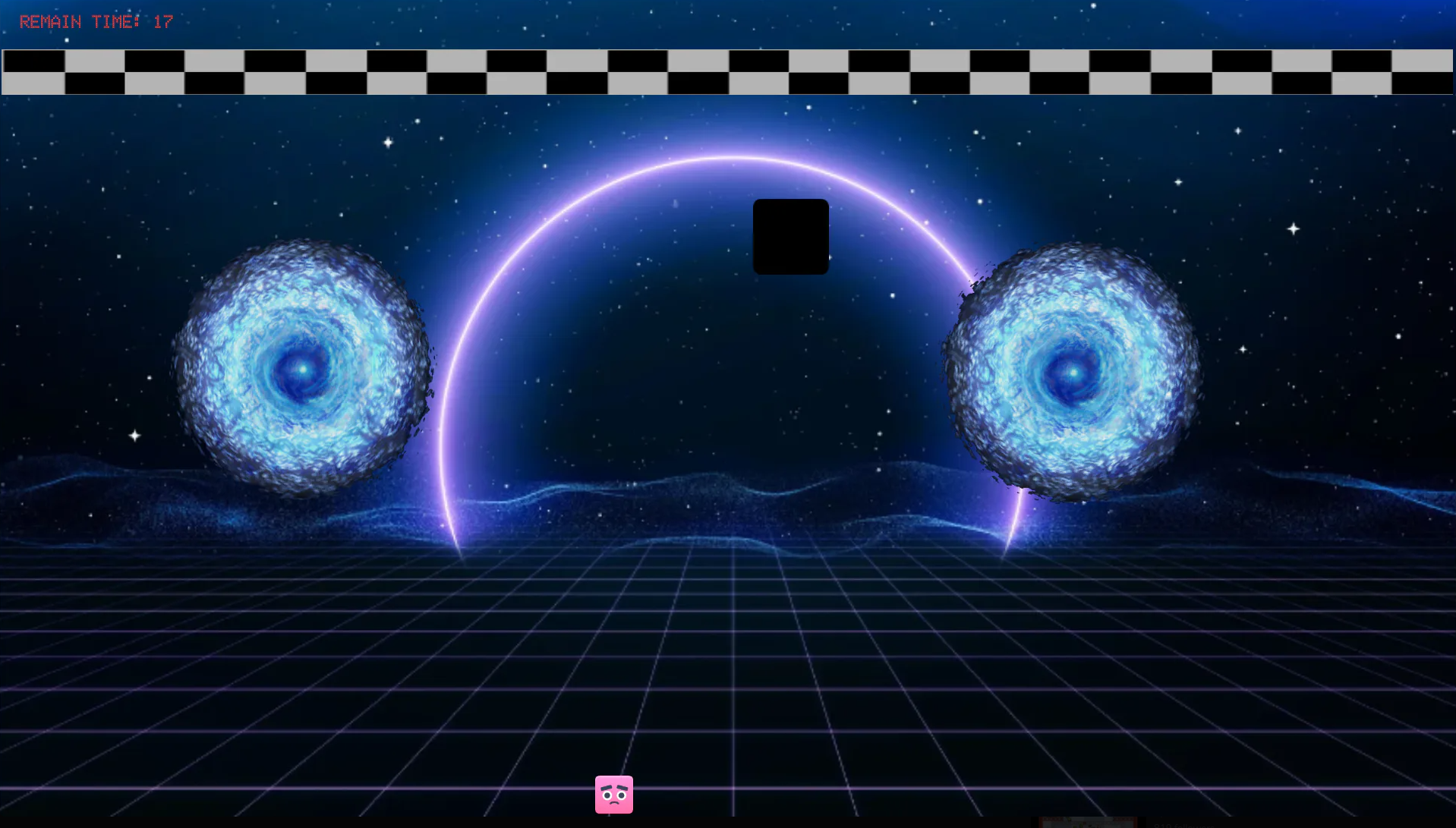
L4 · Invisibility & The Hunt
A local 2-player hide-and-seek game built in Unity. Player A hides among AI-controlled cubes while Player B hunts — across 4 levels, each testing a different dimension of deception, tracking, and spatial reasoning.
A Unity-based 2D local multiplayer game featuring four distinct levels of asymmetric hide-and-seek mechanics. The core question: how do visual deception, predictive movement, and information asymmetry create engaging social interaction between two players?
Designing intuitive but radically contrasting roles for two players — one focused on deception and evasion, the other on observation and precision — without overwhelming either with complexity.
Solo Designer & Developer. Conceptualized all four gameplay mechanics, implemented 2D physics and AI movement logic in Unity (C#), and designed the minimalist visual system to focus player attention on movement patterns rather than surface aesthetics.
Unity · C# · AI Pathfinding · Timer Systems · Collision Detection · Animation System
Each level iterates on a single theme — Identity & Detection — through a different mechanical lens.
Player A blends in with AI-controlled cubes by mimicking their movement. Player B gets only 2 guesses to identify the human player among the crowd.
Limiting Player B to 2 guesses adds high stakes to the observation phase — preventing click-spamming and forcing deeper analysis of Player A's subtle movement tells.
A survival challenge. Player A must navigate both autonomous AI hazards (Star Clusters) and Player B acting as an active antagonist dropping projectiles from above.
Introducing "multi-layered threats" by combining autonomous hazards with intentional Player B obstacles creates a high-tension coordination test that rewards spatial awareness over reaction speed.
A digital reimagining of the classic Shell Game. Three identical cubes shuffle rapidly — Player B must track and identify the correct one after the movement stops.
Using Unity's animation system to create complex interleaved movement paths challenges the limits of short-term visual memory — pure cognitive skill with zero physical input required.
A high-speed chase. Player A has Stealth ability (slow but invisible), Player B has Speed & Size advantage. A tense psychological game of "where did he go?"
Invisibility is Player A's only defense against Player B's superior speed. This asymmetric power exchange creates genuine psychological tension — power always balanced by vulnerability.
Intentionally used basic geometric shapes (cubes). By stripping away complex graphics, the player focuses entirely on movement and behavior — the core "Human vs. AI" tell that makes the game work.
Each level gives players completely different controls and objectives. This fosters "couch co-op" communication and replayability — players must switch roles to experience the full strategic depth.
All 4 levels explore the same theme (Identity & Detection) through different mechanics. This demonstrates design range while keeping a cohesive narrative thread throughout the full experience.
The fundamental tension isn't speed or reflexes — it's what each player knows vs. doesn't know. This creates replayable drama from the simplest possible systems.
A functional 4-stage prototype in Unity demonstrating AI pathfinding, timer systems, and collision detection — all implemented in C# as a solo developer.
Complex joy emerges from very simple rules. "Hiding in plain sight" (Level 1) creates more tension than traditional combat — simplicity is a design superpower.
Refine the Stealth mechanic in Level 4 by adding environmental "footprints" (dust clouds) — giving Player B subtle clues to track an invisible opponent.
This project taught me that information design is game design. Every rule I added was ultimately a decision about what each player gets to know — and how that knowledge gap creates emotional stakes. The most memorable moment in playtesting was watching Player B stare at five identical cubes, paralyzed, knowing they only had one guess left. That tension cost zero assets and zero code. It cost one rule.