A stealth-driven single-player RPG set in Shogun-era Japan. You are not a warrior — you are a shinobi intelligence operative. Success is determined before a blade is ever drawn. The game rewards patience, observation, and analytical thinking over reflex.
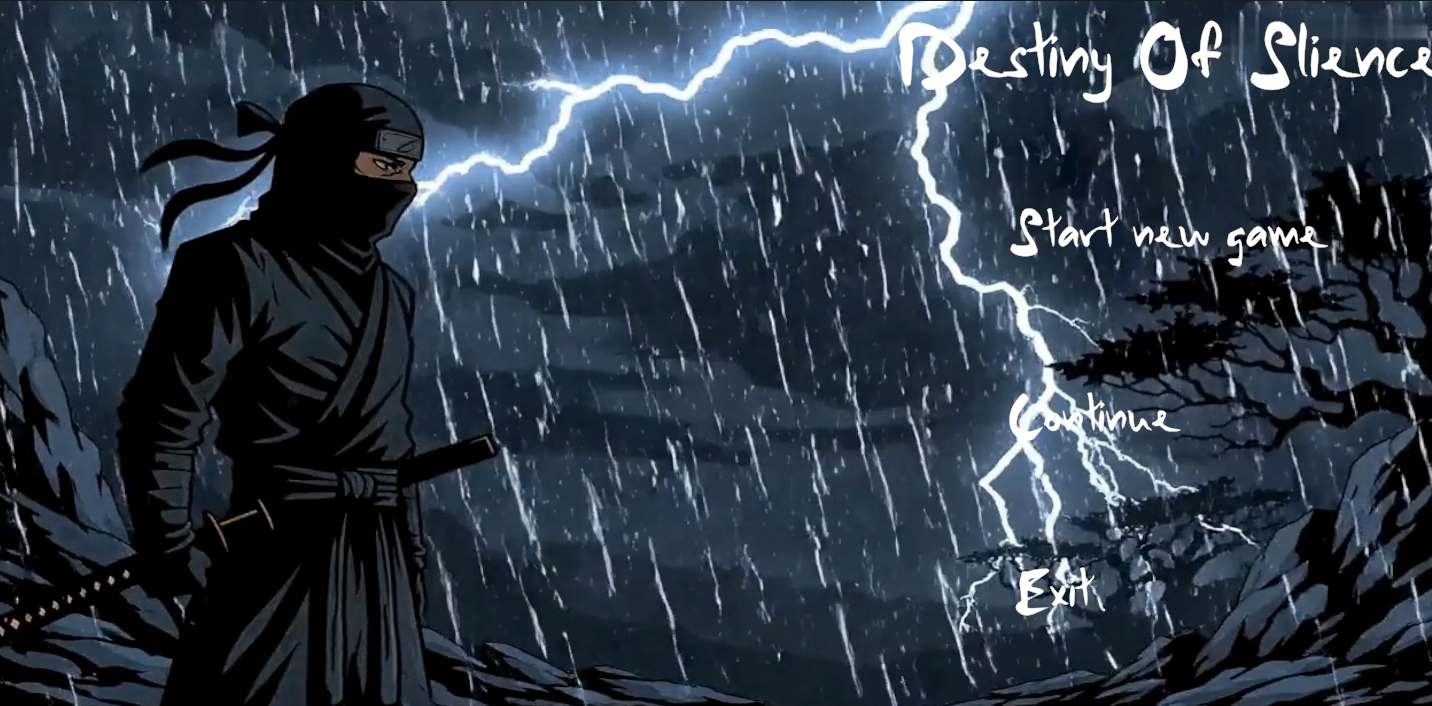
"Most ninja games prioritize superhuman agility or constant combat, overlooking the historical reality of the shinobi as an intelligence operative. Destiny of Silence seizes the opportunity to create a genuine tactical investigation experience — one that rewards patience and analytical thinking over reflex."
Eavesdropping on NPC dialogues and discovering hidden documents to identify guard rotations or secret architectural passages. Intelligence is your primary weapon.
Utilizing tools like Goshiki-mai for non-linear navigation and tracking. Study traditional estate layouts to turn terrain into tactical advantage before engaging.
Engaging in combat or movement only when necessary. Every action is deliberate — making the player feel like a shinobi operative, not a simple warrior.
Most games in the genre reduce the shinobi to a superhuman action figure — fast, flashy, constantly in combat. This fundamentally misrepresents the historical shinobi as an intelligence operative: patient, methodical, and invisible.
The intricate social and architectural structures of Shogun-era Japan create a natural puzzle space. Guard schedules, architectural quirks, social hierarchies, material culture — all of these become gameplay systems when viewed through the lens of a true shinobi.
Players should feel the weight of professional competence — not superhuman power. The satisfaction comes not from defeating enemies, but from never being detected. Success is measured in information gathered and missions completed without a trace.
Designed for strategy and simulation enthusiasts as well as history buffs interested in the authentic tools and political atmosphere of the Edo period. Immersive-sim players who value agency and emergent narrative.
Combat is a last resort, not the core loop. The game's reward systems are tuned to make stealth and information gathering more satisfying than fighting — you feel clever, not powerful.
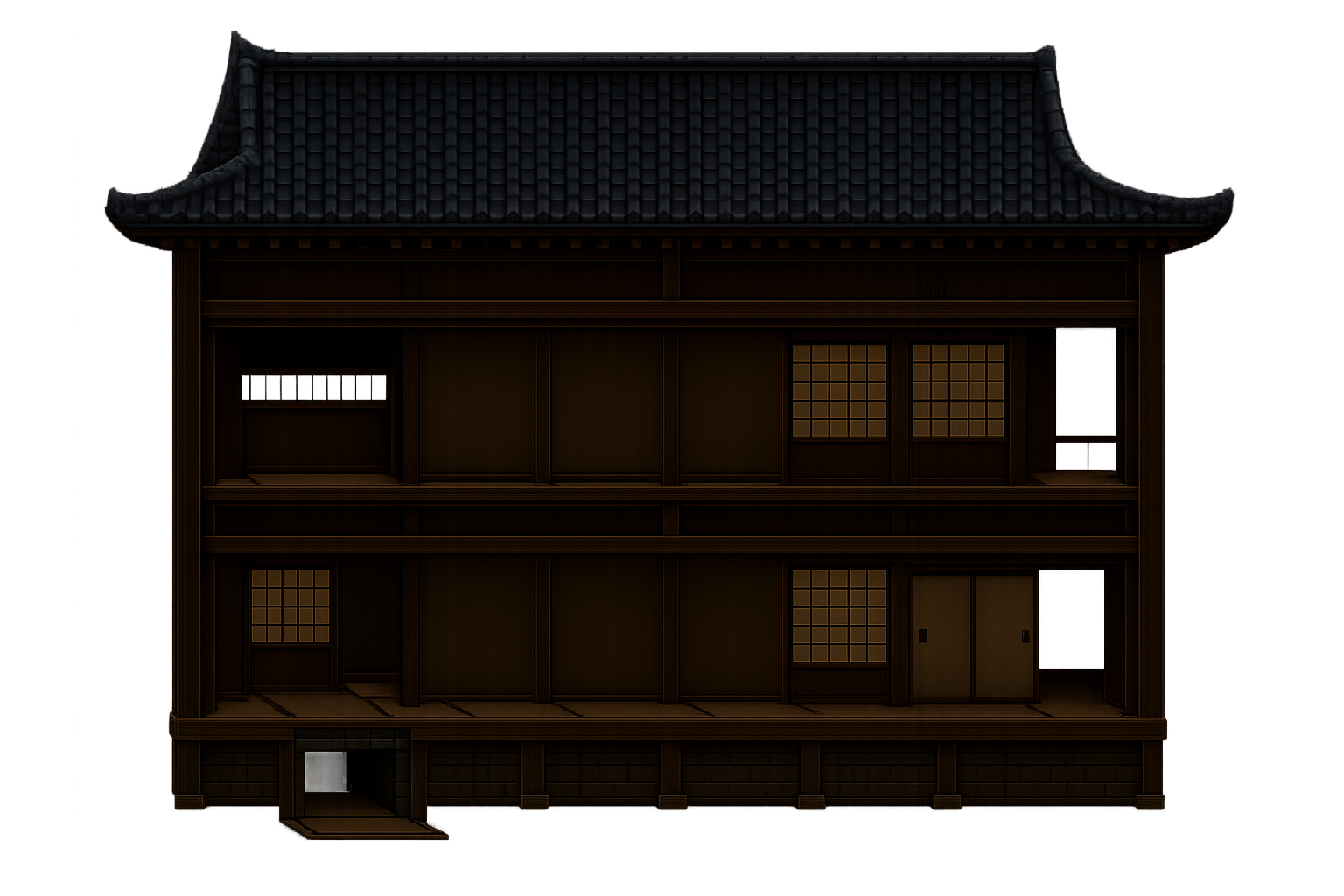
Traditional Japanese estate layouts — engawa corridors, hidden passages, shoji screens — are designed as layered puzzle spaces. Every architectural feature is a gameplay variable.
Discovered documents, overheard conversations, and observed routines unlock new pathways and options. Players who invest in intelligence gathering get more elegant solutions.
The core cycle — Preparation, Observation, Execution — mirrors the historical shinobi doctrine. Success is designed before arrival; the mission is the performance of already-made decisions.
Commercial licenses acquired from LuizMelo and SpellSoft Pixel. All environment art, character sprites, and tileset assets used under license.